Competition Horse Legal Planning: Protecting Your Horse as an Asset

OLS Solicitors Blog

Competition Horse Legal Planning: Protecting Your Horse as an Asset

By Lara Davies on January 23, 2026

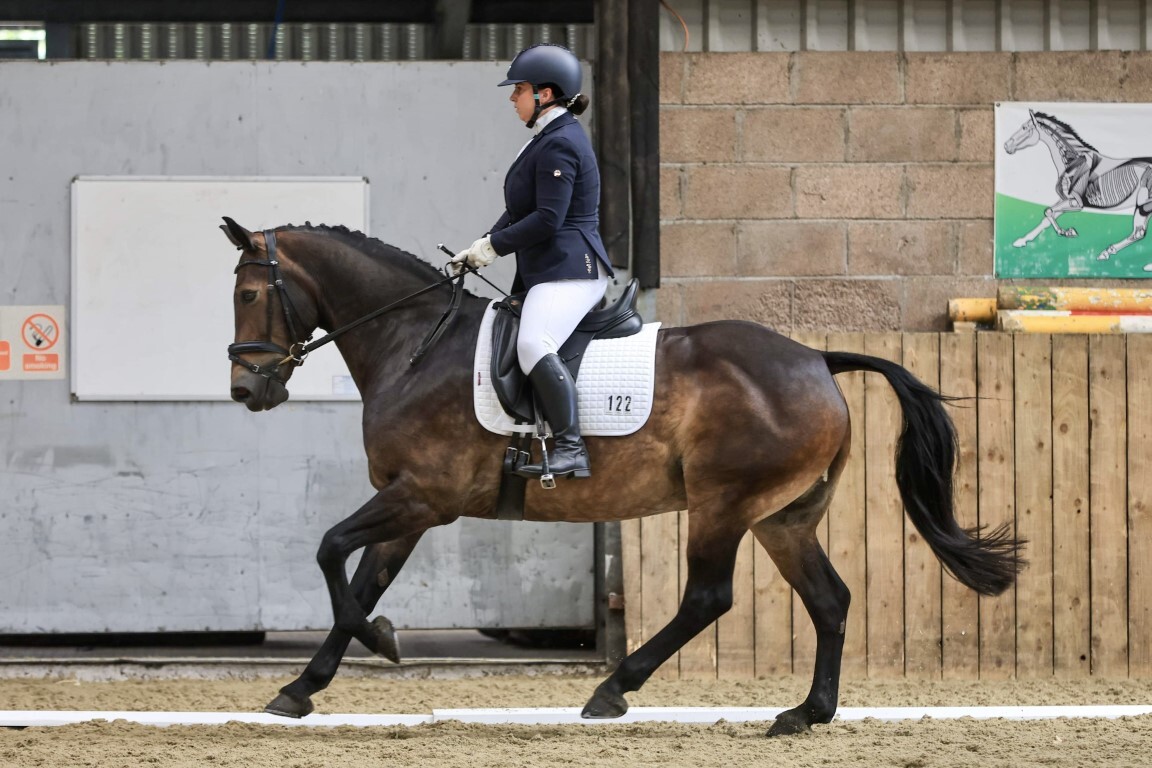
Competition horse legal planning – protecting a competition horse as a valuable asset

By Lara Davies

Protecting a Competition Horse as an Asset

For riders who compete, a horse is never just a hobby. Alongside the partnership and emotional bond sits something else entirely: a high-value asset shaped by years of training, financial investment, and specialist care.

As an accomplished equestrian, I know how easy it is to focus solely on performance, progression, and day-to-day management. Legal planning is rarely top of the list. Yet equestrian sport carries real risk, and when the unexpected happens, a lack of clear arrangements can leave families – particularly those with little horse knowledge – facing difficult decisions about a horse’s future.

Why competition horses require legal protection

Competition horses often represent one of a rider’s most valuable assets. The purchase price is only the starting point. Ongoing costs such as livery, training, veterinary treatment, transport, competition fees, and professional support all contribute to a horse’s true value.

In some cases, horses may also produce income through prize money, breeding, or sponsorship. Without formal legal arrangements, uncertainty can arise around ownership, control, and decision-making, often at times of emotional or financial pressure.

Forward planning helps protect both the welfare of the horse and the value of the investment.

How riders can safeguard their horse

1. Record ownership clearly

If a horse is jointly owned, loaned, or part of a syndicate, ownership should be confirmed in writing. Informal or verbal agreements can quickly break down when circumstances change.

Ownership details should also be consistent across breed societies, governing bodies, and the equine passport.

2. Separate ownership from control

In some situations, a trust arrangement can offer valuable protection. A trust allows trusted, knowledgeable individuals to make decisions about training, competition, or sale if the owner is no longer able to do so.

This approach can be particularly helpful where family members are not experienced with horses.

3. Review insurance as circumstances change

Insurance should reflect a horse’s current role, competition level, and market value. Mortality, veterinary fees, public liability, and loss of use cover all play an important role.

Policies should be reviewed regularly as a horse’s value or career develops.

4. Formalise care and competition arrangements

Where another rider competes or rides the horse, clear written agreements help avoid misunderstandings. These should cover financial responsibility, authority over decisions, and what happens if the arrangement ends.

The same principles apply to loan agreements, which should specify permitted use, care standards, and termination arrangements.

5. Address your horse in your will

A will should deal specifically with your horse, setting out who is to take responsibility and whether the horse is to be kept, transferred, or sold.

Without clear instructions, families may feel forced to make quick decisions without understanding the horse’s needs or true value.

A practical example

I have seen first-hand how effective simple planning can be. One amateur competitor made arrangements to ensure her sensitive but talented horse would pass to a trusted and experienced friend rather than being sold quickly to the first available buyer.

This clarity protected the horse’s welfare and gave her family reassurance at what would otherwise have been a very difficult time.

Final thoughts for competitive riders

Whether a horse is worth a few hundred pounds or a six-figure sum, the principle remains the same. Responsible ownership includes planning for the unexpected.

Putting the right legal structures in place helps preserve value, safeguard welfare, and ensure your horse’s future reflects the care and commitment you have invested.

If you would like advice on protecting a competition horse through ownership agreements, trusts, or wills, speak to a specialist who understands both the legal framework and the realities of equestrian sport and law

Request A Free Callback

    Your Name *

    Your Number

    Enquiry subject *

    The Rising Cost of Keeping Horses – And What Owners Can Do About It

    OLS Solicitors Blog

    The Rising Cost of Keeping Horses – And What Owners Can Do About It

    By Lara Davies on December 5, 2025

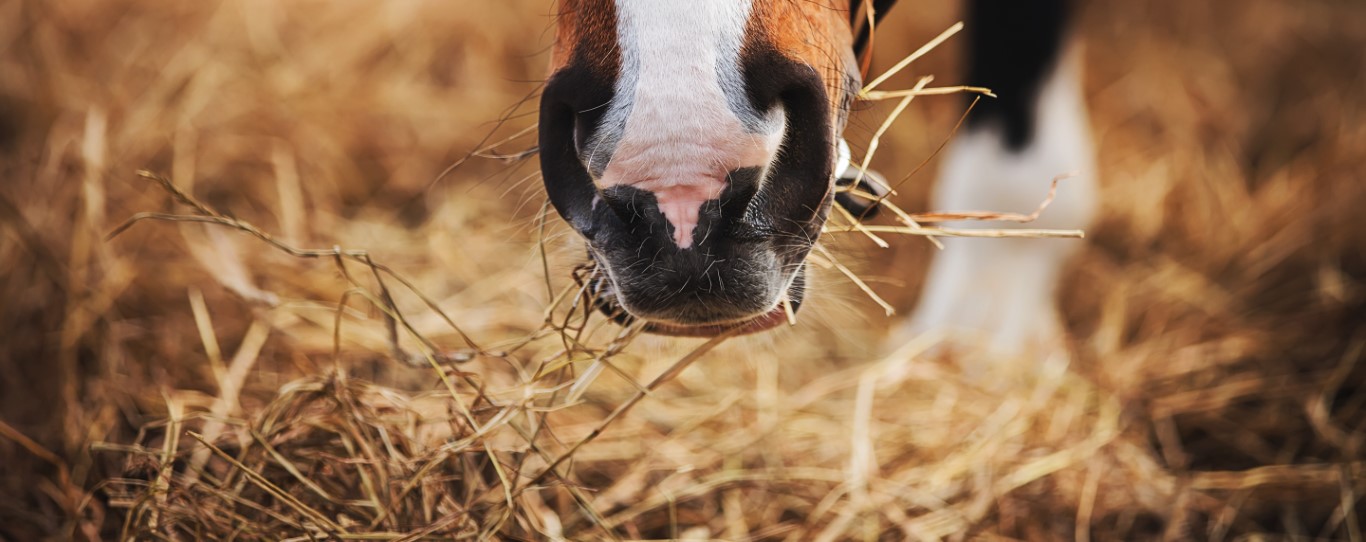
    Picture of a horse feeding on hay

    Keeping a horse has never been cheap, but over the last two years many owners have felt the cost pressures more than ever. Feed, bedding, fuel, farriery, livery, insurance—even routine vet care—have all seen significant price increases. For many riders and owners, the question isn’t whether costs are going up, but how to keep their horses without sacrificing welfare or financial stability.

    At OLS Solicitors, we work with horse owners, yards, breeders, and equestrian businesses every day, and we understand how challenging these pressures can be—both practically and legally. Below is a clear breakdown of what’s driving costs, what support and options are available, and when legal advice can protect you, your horse, and your finances.

    Why Are the Costs Increasing?

    Several factors have combined to push equine-related costs up across the UK:

    1. Rising Feed Prices

    Global grain and hay shortages—combined with fuel inflation—mean most yards are paying significantly more for forage and hard feed.

    1. Bedding Costs Have Surged

    Shavings and straw have increased due to production and transport costs. Many yards have switched suppliers or limited usage as a result.

    1. Farrier and Vet Fees Continue to Climb

    These are highly skilled professions with rising overheads. Owners are reporting routine shoeing now costing 20–40% more than pre-2022.

    1. Livery Yards Under Pressure

    Yard owners face higher business rates, electricity bills, insurance premiums, and staffing costs. Inevitably, these increases filter down into livery fees.

    1. Insurance Premiums Have Shot Up

    With rising claims and increased veterinary bills, many insurers have raised premiums or altered the cover available.

    Practical Avenues to Reduce Costs Without Compromising Welfare

    Even with rising prices, owners do have options—many of which can make a real difference.

    1. Consider Grass Livery or Part-Grass Livery

    Grass livery is one of the most cost-effective options available. Horses live out full-time with access to grazing, and owners manage most care themselves. Benefits include:

    • Lower overall monthly costs
    • More natural lifestyle for many horses
    • Reduced bedding and stabling expenses

    However, it does mean more owner involvement, especially in winter.

    1. Part-Livery or Assisted DIY

    If full livery is stretching your budget, part-livery or assisted DIY can strike the right balance:

    • Yard handles morning/evening care
    • Owner does mucking out, exercising, or weekend duties
    • Costs sit between DIY and full livery

    Flexibility is the biggest advantage here—owners can choose a package that fits their time and budget.

    1. Share or Loan Your Horse

    One of the most effective ways to reduce costs:

    • Full or part-loaning
    • Finding a regular sharer who contributes financially
    • Splitting shoeing, feed, and livery costs

    Always have a written loan or sharing agreement to avoid disputes—this is one area where OLS Solicitors can help.

    1. Review Feed and Supplement Use

    Many horses thrive on a simpler diet:

    • High-quality forage
    • Fewer unnecessary supplements
    • Balancers instead of multiple individual products

    A nutrition review with your vet or an equine nutritionist can save surprising amounts.

    1. Budget Vet and Farrier Care Carefully
    • Book routine vaccinations and dental care at the same time as other liveries to share call-out fees
    • Consider fixed-fee veterinary plans
    • Review your insurance excess and coverage
    1. Check Eligibility for Equestrian Hardship Funds

    Several welfare charities may offer short-term financial help, including:

    Their support is usually aimed at temporary crises to prevent neglect or forced sale.

    Why Legal Advice Matters More Than Ever for Horse Owners

    As financial pressures rise, disputes are becoming more common—with yards, sharers, loaners, buyers/sellers, and even between co-owners. The most frequent legal issues we see include:

    1. Livery Agreements

    Many owners still keep horses at yards without a formal, up-to-date contract. This can create major issues over:

    • Payment terms
    • Yard responsibilities
    • Liability for injury or damage
    • Termination and notice periods
    • Turnout and grazing rights

    OLS Solicitors can draft or review your livery agreement so everyone knows where they stand.

    1. Loan, Share, or Lease Agreements

    These are essential when sharing costs or care. We frequently assist with disputes involving:

    • Who pays for vet bills
    • Liability for injuries
    • Return conditions
    • Insurance responsibilities

    Having a clear, professionally drafted agreement protects both parties—and the horse.

    1. Buying and Selling Horses

    Rising prices have increased:

    • Misrepresentation claims
    • Disputes over soundness
    • Problems with trial periods and vetting

    We regularly support clients with equine sale and purchase disputes, including claims under the Consumer Rights Act and Sale of Goods Act.

    1. Yard Ownership & Equine Business Agreements

    For yard owners, rising costs create commercial risks around:

    • Staff contracts
    • Grazing licences
    • Business interruption
    • Disputes with clients

    We help equestrian businesses protect themselves with clear, enforceable contracts.

    How OLS Solicitors Can Support Horse Owners and Equestrian Businesses

    Our specialist Equine Law Team understands the unique challenges of horse ownership and the realities of today’s economic climate. Whether you’re a rider, owner, yard manager, breeder, or professional, we can help with:

    • Livery agreements
    • Loan/share contracts
    • Horse sale and purchase disputes
    • Breeding contracts
    • Negligence and liability claims
    • Equine business legal advice
    • Contract drafting and dispute resolution

    You can find out more at www.ols-solicitors.co.uk or by calling 01554 756952.

    Final Thoughts from Lara

    Horse ownership will always involve significant cost—but rising inflation, feed shortages and increased overheads have made it more challenging than ever. Exploring different livery options, reassessing your horse’s needs, and sharing care can make a big difference. And if you’re entering into any agreement, buying or selling a horse, or running an equine business, getting the right legal advice protects your financial position and your horse’s welfare.

    If you need support with any equine-related legal issue, our team at OLS Solicitors is here to help

    Request A Free Callback

      Your Name *

      Your Number

      Enquiry subject *

      Why you need an equine Loan Agreement

      OLS Solicitors Blog

      Why you need an equine Loan Agreement

      By Lara Davies on May 28, 2025

      Competition horse legal planning – protecting a competition horse as a valuable asset

      Equine Loan Agreements – Why Every Horse Loan Needs One

      Loaning or borrowing a horse without a written agreement can lead to serious misunderstandings and disputes. Below, we answer common questions about horse loan agreements and explain how our fixed-fee service can help protect both you and your horse.


      What is an equine loan agreement?

      An equine loan agreement is a legally binding contract between the horse owner and the borrower. It sets out the terms of the loan clearly, including responsibilities for care, insurance, vet bills, riding rights, return conditions and more.

      This isn’t just paperwork – it’s protection for all involved, especially the horse.


      Why do I need a written agreement when loaning a horse?

      A written agreement prevents confusion and reduces the risk of disputes. Without it, even small issues can escalate. It ensures everyone understands their obligations and helps avoid conflict over care, costs or ownership.


      What are the key benefits of having a horse loan agreement?

      1. Avoids Misunderstandings: It defines who pays for what and what can or cannot be done – such as moving the horse to another yard.
      2. Protects the Horse’s Welfare: Agreements can include care standards, feeding routines, vet authorisation, and daily exercise requirements.
      3. Clarifies Responsibilities: Accidents or emergencies happen. The agreement defines who is responsible for costs and decisions.
      4. Prevents Ownership Disputes: It clearly states who owns the horse and the terms for returning or reclaiming it.
      5. Peace of Mind: Both the owner and borrower benefit from knowing expectations are clear and legally documented.

      What does the OLS Solicitors equine loan agreement service include?

      We offer a fixed-fee service that includes:

      • Professionally drafted loan agreement tailored to your needs
      • Suitable for full, part, or share loan arrangements
      • Designed for both short-term and long-term loans
      • All for a fixed fee of £499 + VAT

      We understand both legal obligations and the practical realities of horse loaning. Our team will ensure your agreement is fair, thorough, and enforceable.


      Can the agreement be adapted to suit my situation?

      Yes. Whether you’re an owner loaning out your horse for the first time or a borrower managing an ongoing arrangement, we’ll customise the agreement to suit your circumstances. We can adapt it for unique requirements, including competition permissions, insurance clauses, or shared yard duties.


      How do I get started?

      To speak to a solicitor or book your equine loan agreement service:

      Protect your horse. Protect yourself. Get it in writing – for £499 + VAT.


      Request A Free Callback

        Your Name *

        Your Number

        Enquiry subject *

        Equine Ownership Disputes: Legal Insights from Lara Davies, OLS Solicitors

        OLS Solicitors Blog

        Equine Ownership Disputes: Legal Insights from Lara Davies, OLS Solicitors

        By Lara Davies on September 10, 2024

        equine ownership dispute advice

        In equine law, horses are classified as personal property, meaning they can be bought, sold, and owned similarly to other forms of property. Once this classification is established, the legal remedies available in cases of disputes, injury, or theft are generally limited to those applicable to personal property. For example, the classification of a horse as property can restrict an individual’s ability to claim emotional distress damages. Ownership of horses is governed by laws applicable to personal property, commonly referred to as “chattels,” which encompasses both animate and inanimate property.

        Forms of Horse Ownership

        As with other types of property, a horse can be owned by an individual, a partnership, a corporation, or a limited liability company. Ownership can be established either through verbal or written agreements or, in some cases, by the actions of the parties involved. A frequent issue in equine ownership disputes arises when there is no clear written agreement or when existing agreements are vague, leading to reliance on verbal understandings. These verbal agreements are often difficult to prove in court unless supported by additional evidence, such as emails, text messages, social media posts, competition entry forms, and third-party witness statements.

        Proving Ownership in Court

        When disputes arise, it is critical to gather solid proof of ownership, especially when a case goes to court. Hearsay evidence can be problematic unless it falls within specific exceptions to the hearsay rule, such as admissions from a party opponent or a witness’s prior inconsistent statement. Statements made by an agent can also be used as evidence against the principal, provided the agent was authorised to act on the principal’s behalf. This is especially relevant in situations involving horse sales, where an agent’s actions or statements may be considered legally binding on the principal.

        Administrative Resolution of Ownership Disputes

        When horse ownership is disputed, administrative bodies may attempt to mediate the issue between the parties. If mediation fails, a formal hearing may be held to resolve the conflict. In cases where court orders are involved, administrative bodies generally defer to the ruling of the court. Once notified of a dispute, most administrative bodies freeze any further transactions or changes in horse registration until the dispute is settled or a court order is issued.

        Misconceptions About Horse Registration

        Many people mistakenly believe that registering a horse with an equine body constitutes legal ownership. This is not the case. While registration can serve as important evidence in ownership disputes, it does not equate to legal title. When purchasing a horse, it is crucial to review the horse’s registration or passport document, which often contains vital information regarding its health, competition history, and prior ownership. This document can also alert potential buyers to any undisclosed interests in the horse.

        Importance of Written Agreements

        Horse ownership is best established through formal documentation, such as a Bill of Sale or a written agreement between buyer and seller. Some states even mandate the use of a Bill of Sale for horse transactions. Problems often arise when parties rely solely on trust and verbal agreements without any formal documentation. When disputes occur, lawyers will typically rely on behaviour, written communications, and documentation like veterinary records to support their client’s claim of ownership.

        Contract and Equine Law

        Equine ownership disputes are generally governed by contract law, with equity law sometimes stepping in when contract law cannot resolve the issue. Doctrines like promissory estoppel may also be invoked in cases where one party has relied on a promise made by another, even in the absence of formal consideration.

        Self-Help Remedies and Legal Risks

        Parties involved in equine ownership disputes may be tempted to resort to “self-help” actions, such as relocating a horse without the other party’s consent. However, courts generally frown upon such actions, which can expose the offending party to legal claims of conversion or trespass to chattel. Additionally, if one party attempts to interfere with the sale of the horse to a third party, they may face legal action for slander of title or trade libel.

        Legal Protections in Equine Transactions

        When a horse purchase involves financing, the buyer often secures the purchase with a promissory note, and the horse serves as collateral. In these cases, it is essential to ensure that all financing documents are correctly filed and that any liens on the horse are removed once the debt is paid.

        In addition to financing-related liens, horse owners may also face liens for unpaid boarding and care services. Most states allow boarding facilities to place liens on horses to secure payment, and some even permit the sale of the horse to recover unpaid fees.

        Seeking Legal Advice

        Equine ownership disputes can escalate quickly, particularly when large sums of money or a horse’s reputation are at stake. The quickest way to resolve such disputes is often through litigation, although in some cases, administrative proceedings may offer a more efficient and cost-effective solution.

        Before taking any actions or making statements to third parties, it is crucial to seek legal advice to avoid inadvertently violating laws related to torts or defamation. Careful consideration of the facts and adherence to legal protocols can help prevent costly mistakes and protect your rights in equine ownership disputes.

        For any equine law questions or disputes, don’t hesitate to consult with me, Lara Davies at OLS Solicitors. I am here to guide you through the complexities of equine law, ensuring that your rights and interests are fully protected.

        Request A Free Callback

          Your Name *

          Your Number

          Enquiry subject *

          Why our Lara Jayne Davies makes an excellent equine lawyer

          OLS Solicitors Blog

          Why our Lara Jayne Davies makes an excellent equine lawyer

          By Mark Keenan on July 2, 2024

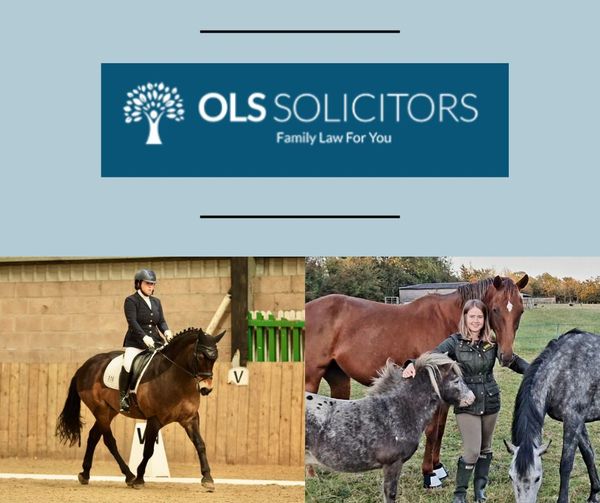
          Why Lara-Jayne Davies of OLS Solicitors makes a great equine lawyer

          In the intricate and specialised world of equine law, finding a solicitor who not only understands the legal intricacies but also has a deep personal connection with the equestrian world is invaluable. Lara-Jayne Davies of OLS Solicitors exemplifies this rare combination, making her an exceptional choice for anyone seeking legal expertise in equine matters.

          Deep Equestrian Roots

          Lara-Jayne Davies is not just an equine lawyer; she is a passionate and accomplished dressage rider. Her involvement in the makescommunity extends beyond the courtroom and into the riding arena. As a rider who has represented Wales, she brings a unique perspective and unparalleled insight into the needs and challenges faced by equestrians. This personal experience allows her to relate to her clients on a deeper level, understanding their concerns and aspirations from first-hand experience.

          Legal Expertise

          At OLS Solicitors, Lara-Jayne applies her extensive legal knowledge to a variety of equine-related issues. Her expertise spans contracts, disputes, purchases and sales of horses, negligence claims, and more. She is adept at navigating the complexities of equine law, ensuring that her clients receive comprehensive and accurate legal advice tailored to their specific situations.

          Representing Wales: A Testament to Dedication and Skill

          Lara-Jayne’s achievement in riding for Wales is a testament to her dedication, skill, and perseverance. Competing at such a high level requires not only talent but also an in-depth understanding of equine health, training, and competition regulations. This experience equips her with the knowledge to handle cases involving competition rules, doping allegations, and other sport-specific legal matters. Her clients benefit from her ability to draw parallels between her sporting experiences and the legal challenges they face.

           Client-Centric Approach

          Lara-Jayne’s approach to legal practice is client-centric, characterised by empathy, clear communication, and personalised service. Her equestrian background ensures she can speak the language of her clients, translating complex legal jargon into understandable terms. Whether her clients are seasoned equestrians or new to the sport, they can trust Lara-Jayne to guide them through their legal journeys with professionalism and care.

           A Bridge Between Law and Passion

          For many equestrians, their horses are not just animals but partners and friends. Lara-Jayne’s dual identity as both a lawyer and a dressage rider bridges the gap between the legal world and the equestrian passion. She understands the emotional and financial investments involved in horse ownership and competition, making her uniquely positioned to advocate for her clients’ interests effectively.

          Get in touch

          Lara-Jayne Davies of OLS Solicitors stands out in the field of equine law, not just for her legal acumen but for her genuine passion and involvement in the equestrian world. Her experience as a dressage rider who has represented Wales gives her a profound understanding of her clients’ needs, making her an invaluable asset to anyone seeking legal advice in equine matters. With Lara-Jayne, clients gain not only a skilled equine lawyer but also a dedicated advocate who shares their love for horses and the sport.

          Request A Free Callback

            Your Name *

            Your Number

            Enquiry subject *

            How to Sell a Horse Without Misrepresentation: A Comprehensive Guide

            OLS Solicitors Blog

            How to Sell a Horse Without Misrepresentation: A Comprehensive Guide

            By Lucy Batstone on July 2, 2024

            How to Avoid Misrepresentation When Selling a Horse

            Selling a horse is a significant transaction that involves trust, transparency, and responsibility. Misrepresentation, whether intentional or accidental, can lead to disputes, financial loss, and damage to one’s reputation. To ensure a smooth and ethical sale, it’s crucial to provide accurate and honest information about the horse. This article outlines practical steps to avoid misrepresentation when selling a horse.

            1. Provide Accurate and Comprehensive Information

            Tip: Ensure all details about the horse are truthful and complete.

            Best Practice: Create a detailed profile of the horse that includes:

            • Age
            • Breed
            • Height
            • Training level
            • Competition history
            • Health status
            • Temperament
            • Vices or behavioral issues

            Accurate information helps potential buyers make informed decisions and sets realistic expectations.

            2. Disclose Health and Medical History

            Tip: Be transparent about the horse’s health and medical history.

            Best Practice: Disclose all known health issues, past injuries, and medical treatments. Provide veterinary records and encourage potential buyers to conduct a pre-purchase veterinary examination. If the horse has any chronic conditions or special needs, clearly communicate this to the buyer.

            Transparency about health ensures that buyers are fully aware of the horse’s condition and can make informed decisions about its suitability for their needs.

            3. Present Honest Performance and Training Records

            Tip: Accurately represent the horse’s abilities and training.

            Best Practice: Provide honest accounts of the horse’s training history and performance in competitions. Avoid exaggerating achievements or capabilities. If the horse has limitations or areas that need improvement, communicate these honestly.

            Honesty about performance and training helps buyers understand the horse’s true potential and avoid unrealistic expectations.

            4. Use Clear and Honest Advertising

            Tip: Ensure all advertisements are clear, accurate, and honest.

            Best Practice: When creating advertisements, use recent and unaltered photos and videos. Describe the horse accurately, focusing on its strengths and any notable characteristics. Avoid using ambiguous language that might mislead buyers.

            Clear and honest advertising builds trust and attracts serious buyers who appreciate transparency.

            5. Facilitate Thorough Buyer Assessments

            Tip: Allow potential buyers to thoroughly assess the horse.

            Best Practice: Encourage buyers to spend time with the horse, both on the ground and under saddle. Allow them to ride the horse in various scenarios to evaluate its behavior and suitability. Offer trial periods when feasible to provide buyers with a deeper understanding of the horse.

            Facilitating thorough assessments helps buyers make confident, informed decisions and reduces the risk of post-purchase disputes.

            6. Document Everything

            Tip: Keep thorough records of all communications and agreements.

            Best Practice: Document all interactions with potential buyers, including emails, messages, and phone calls. Provide written agreements that outline the terms of the sale, including any warranties or guarantees. Ensure that all verbal agreements are confirmed in writing.

            Documentation provides a clear record of the transaction and protects both parties in case of misunderstandings or disputes.

            7. Provide After-Sale Support

            Tip: Offer support and guidance after the sale.

            Best Practice: Stay available to answer questions and provide advice during the transition period. Offering a reasonable return policy or a period of post-sale support can reassure buyers and demonstrate your commitment to the horse’s well-being.

            After-sale support helps build a positive reputation and encourages future buyers to trust your integrity.

            8. Understand Legal Obligations

            Tip: Familiarize yourself with legal obligations related to selling a horse.

            Best Practice: Understand the laws and regulations governing horse sales in your area. Ensure that your sales practices comply with legal standards to avoid potential legal issues. Consulting with a legal professional can provide valuable guidance and help draft comprehensive sales agreements.

            Awareness of legal obligations ensures that your sale is conducted ethically and legally, protecting both you and the buyer.

            Conclusion

            Avoiding misrepresentation when selling a horse is essential for maintaining trust, integrity, and legal compliance. By providing accurate information, being transparent about health and performance, and facilitating thorough assessments, you can ensure a smooth and honest transaction. Documenting interactions and understanding legal obligations further protects both parties and fosters a positive selling experience.

            Remember, honesty and transparency not only protect you from disputes but also enhance your reputation within the equestrian community. By prioritizing the welfare of the horse and the interests of the buyer, you can achieve successful and ethical sales.

            Happy selling!

            Request A Free Callback

              Your Name *

              Your Number

              Enquiry subject *

              Riding A Horse On UK Roads: What You Need to Know

              OLS Solicitors Blog

              Riding A Horse On UK Roads: What You Need to Know

              By Lara Davies on June 18, 2024

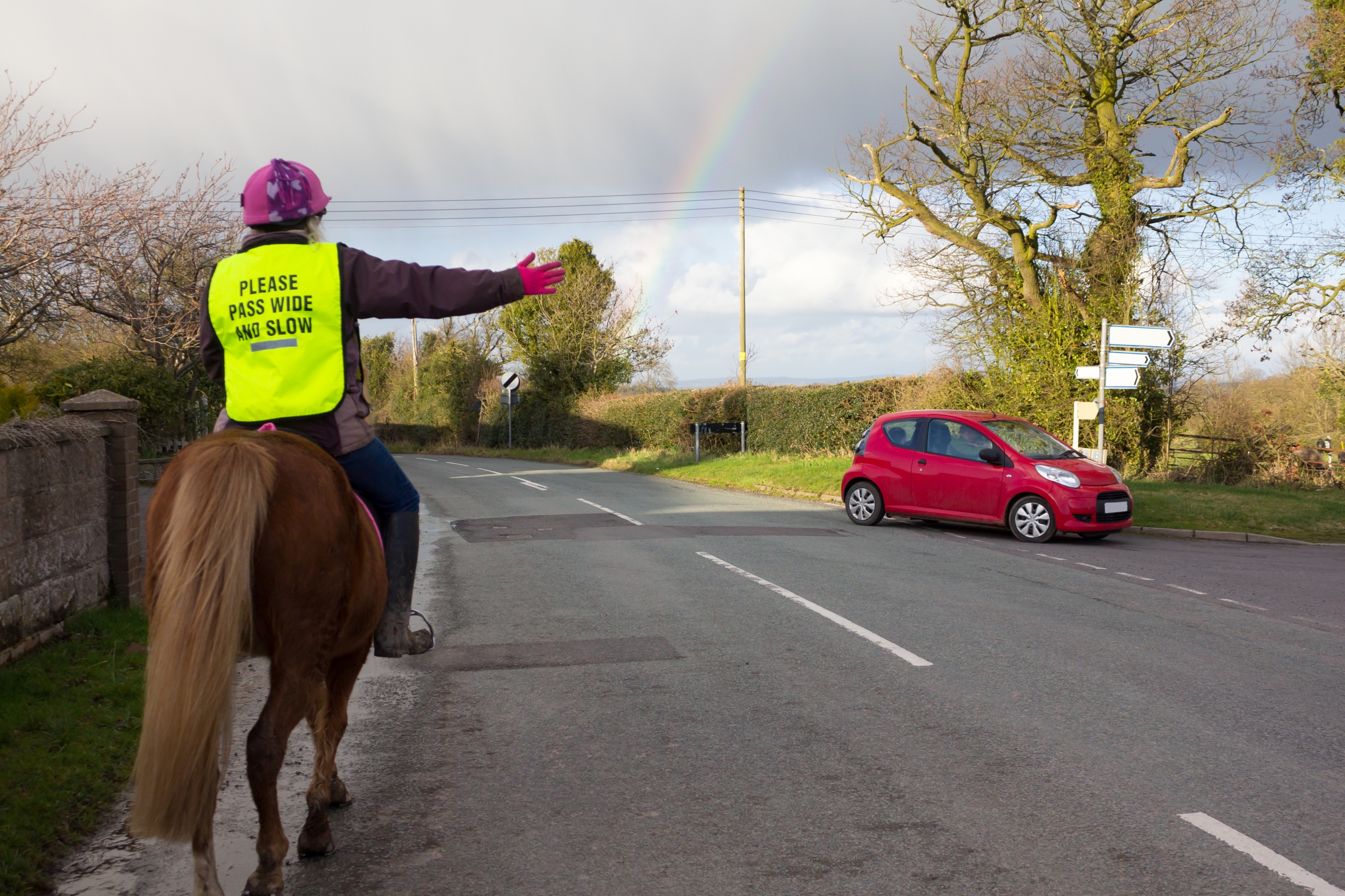
              learn how to stay safe when riding a horse on UK roads

              Introduction


              Riding a horse on UK roads can be a rewarding experience, offering both horse and rider a chance to explore new environments and build confidence. However, it comes with its own set of challenges and responsibilities. Ensuring the safety of both the rider and other road users is paramount. In this blog post, we’ll cover essential tips and regulations for riding on UK roads, helping you navigate safely and legally.


              1. Understanding the Highway Code

              Familiarise yourself with the sections of the Highway Code that pertain to horse riders.

              What You Need to Know:

              The Highway Code includes specific rules for horse riders to ensure safety on the roads. Key points include:

              – Always ride with other road users in mind.

              – Keep to the left-hand side of the road.

              – Wear a hat that conforms to current safety standards.

              – Use hand signals to indicate your intentions.

              – Do not ride on footpaths or pavements.


              Understanding these rules helps you to be a responsible road user and enhances your safety.


              1. Visibility is Key

              Make yourself and your horse highly visible.

              What You Need to Know:

              Visibility is crucial when riding on roads. Wear high-visibility clothing and equipment, especially in low light or poor weather conditions. Reflective gear for both horse and rider can make a significant difference. Consider using lights, such as flashing or static LED lights, to further enhance visibility.


              Being highly visible reduces the risk of accidents by ensuring other road users can see you from a distance.


              1. Proper Equipment

              Ensure you and your horse are properly equipped for road riding.

              What You Need to Know:

              In addition to high-visibility gear, using appropriate equipment is essential. This includes:

              – A well-fitting, high-quality riding helmet.

              – Reflective leg bands for the horse.

              – A reflective breastplate or bridle bands.

              – Safety stirrups or quick-release stirrup irons.

              – Consider using a neck strap for added control.


              Proper equipment helps in managing the horse effectively and ensures both rider and horse are prepared for various road conditions.


              1. Road Etiquette

              Practice good road etiquette to promote harmony with other road users.

              What You Need to Know:

              Good road manners are essential for safety and positive interactions. Key aspects include:

              – Riding in single file on busy or narrow roads.

              – Using clear hand signals for turning or stopping.

              – Thanking drivers who slow down or give way.

              – Avoiding sudden movements that could startle the horse.


              Practicing good road etiquette fosters mutual respect between horse riders and other road users, making the experience safer for everyone.


              1. Training and Confidence

              Ensure both you and your horse are confident and well-trained for road riding.

              What You Need to Know:

              Confidence and training are critical for safe road riding. Steps to take include:

              – Gradual exposure to road environments, starting with quiet roads.

              – Training the horse to be desensitised to common road hazards, such as vehicles, cyclists, and pedestrians.

              – Taking a riding road safety course, such as those offered by the British Horse Society (BHS).


              Proper training ensures that both rider and horse can handle road situations calmly and safely.


              1. Emergency Preparedness

              Be prepared for emergencies and know how to react.

              What You Need to Know:

              Preparation for emergencies is a must. Tips include:

              – Carrying a mobile phone with emergency contacts.

              – Knowing the location of the nearest veterinary services.

              – Carrying basic first-aid supplies for both horse and rider.

              – Wearing a medical bracelet if you have specific health conditions.


              Being prepared for emergencies can mitigate the impact of accidents and ensure prompt assistance if needed.


              1. Dealing with Difficult Car Drivers

              Stay calm and composed when encountering difficult car drivers.

              What You Need to Know:

              Unfortunately, not all drivers are considerate of horse riders. When encountering aggressive or impatient drivers, it’s crucial to remain calm and composed. Avoid escalating the situation; instead, signal for them to slow down or stop if necessary. If a driver becomes confrontational, try to move your horse to a safe area off the road. Report the incident to local authorities, providing as much detail as possible, including the vehicle’s registration number. Wearing a helmet camera can help document these encounters for future reference.


              Dealing calmly with difficult drivers helps prevent dangerous situations and ensures the safety of both horse and rider.


              1. The Legal Right to Ride on Roads

              Know your legal rights as a horse rider on UK roads.

              What You Need to Know:

              In the UK, horse riders have the legal right to use public roads. This is established under common law, which recognises horse riders as legitimate road users. However, this right comes with the responsibility to adhere to the Highway Code and to ride in a manner that ensures the safety of all road users. While there is no legal requirement for insurance, having third-party liability insurance is strongly recommended to cover any potential accidents or damages.


              Understanding your legal rights ensures you ride with confidence and responsibility, contributing to safer and more respectful interactions with other road users.


              1. Legal Requirements

              Comply with all legal requirements for riding on roads.

              What You Need to Know:

              While there are no legal requirements for horse riders to have insurance, it is highly recommended to have third-party liability insurance. This protects you in case of an accident involving other road users. Additionally, adhering to the Highway Code and local by-laws is mandatory.


              Compliance with legal requirements not only ensures your safety but also protects you from potential legal liabilities.


               Conclusion


              Riding on UK roads requires careful preparation, adherence to safety practices, and a thorough understanding of road regulations. By being visible, using proper equipment, practicing good road etiquette, ensuring confidence through training, preparing for emergencies, dealing effectively with difficult drivers, and knowing your legal rights, you can enjoy safe and rewarding rides.


              Remember, your safety and the safety of others on the road are paramount. Happy and safe riding!

              Request A Free Callback

                Your Name *

                Your Number

                Enquiry subject *

                Legal Tips for Horse Riders During Summer Competition Season

                OLS Solicitors Blog

                Legal Tips for Horse Riders During Summer Competition Season

                By Lara Davies on June 18, 2024

                Legal Tips for Horse Riders During Summer Competition Season

                Introduction

                Summer competition season brings excitement and anticipation for horse riders. With the warmer weather and extended daylight hours, it’s an ideal time to showcase your skills and revel in the camaraderie of the equestrian community. However, amidst the preparation and excitement, it’s crucial not to overlook the legal aspects that can impact your experience. Whether you’re a seasoned competitor or new to the circuit, understanding and addressing these legal considerations can help you avoid potential pitfalls. In this blog post, we’ll provide essential legal tips to ensure a smooth and successful competition season.

                1. Verify Competition Rules and Regulations

                *Tip: Ensure you are familiar with the specific rules and regulations of each competition you enter.

                Each competition may have unique rules regarding horse welfare, rider conduct, equipment, and qualifications. Ignorance of these rules can lead to disqualification or penalties. Thoroughly review the rulebook or competition guidelines, paying special attention to any changes or updates from previous years. Keep a copy of these rules for reference and ensure your team is equally informed. Understanding the qualification criteria and entry requirements well in advance can prevent last-minute surprises and help you prepare adequately, ensuring a smooth experience on the day of the event.

                2. Health and Safety Compliance

                *Tip: Adhere to all health and safety requirements for both horse and rider.

                Competitions often have strict health and safety regulations, including vaccinations, health certificates, and biosecurity measures. Ensure your horse’s vaccinations are up-to-date and that you have all necessary health certificates. Riders should also comply with safety gear requirements, such as riding hats and body protectors. Failure to meet these requirements can result in exclusion from the competition or legal liabilities in case of an incident.

                3. Insurance Coverage

                *Tip: Review and update your insurance policies for both horse and rider.

                Having adequate insurance is crucial, including personal accident insurance for riders and equine insurance for your horse. Ensure your policies cover competition-related incidents, including travel, injury, and liability. Verify the coverage limits and any exclusions. Carry proof of insurance with you during competitions in case it’s required by event organisers or in the event of an accident. Consulting with an insurance specialist who understands equestrian needs can ensure you have the appropriate coverage.

                4. Contracts and Agreements

                Tip: Use written contracts for any professional services related to the competition.

                Whether you’re hiring a trainer, transporter, or groom, it’s essential to have clear, written contracts outlining the terms of service. These contracts should detail the scope of work, payment terms, responsibilities, and liability clauses. Clear agreements help prevent disputes and provide legal recourse if services are not rendered as agreed. Always review contracts carefully and consider seeking legal advice if necessary.

                Contracts are vital for clarity and protection. For example, a trainer contract should include the training schedule, fee structure, and performance goals. Transport contracts should detail the route, care provisions during transport, and liability for delays or injuries. Legal advice can help draft comprehensive contracts that cover all potential contingencies.

                5. Horse Ownership and Leasing

                *Tip: Clarify ownership and leasing arrangements legally.

                If you’re riding a leased horse or a horse owned by someone else, ensure the arrangement is documented in a formal agreement. This agreement should specify the duration of the lease, responsibilities for costs, care requirements, and permissions for competition. Clearly outlining these details can prevent misunderstandings and provide protection in case of a dispute.

                Loan agreements should be thorough and detailed. Key elements include the lease term, payment schedule, care and maintenance responsibilities, insurance requirements, and termination conditions. Permissions for competition should be clearly stated, including any restrictions on the types or number of events. Both parties should sign the agreement, and it should be reviewed periodically to address any changes in circumstances.

                6. Transport Regulations

                *Tip: Comply with all transport regulations when travelling to competitions.

                Transporting your horse to competitions involves adhering to various regulations, including vehicle safety standards, driver qualifications, and animal welfare laws. Ensure your vehicle is roadworthy and meets all legal requirements. Drivers should have the appropriate licenses and training. Additionally, plan your journey to include regular rest stops for your horse to comply with welfare standards.

                7. Intellectual Property and Media Rights

                *Tip: Understand your rights regarding competition footage and photos.

                Many competitions will have photographers and videographers present, and they may use your images for promotional purposes. Understand the event’s policies on media rights and how your images may be used. If you wish to control the use of your or your horse’s likeness, negotiate these terms before the competition and ensure any agreements are in writing. For more detailed information on managing media rights, Equestrian Law provides excellent resources.

                8. Dispute Resolution

                *Tip: Have a plan for addressing disputes or grievances.

                Despite best efforts, disputes can arise during competitions. Whether it’s a judging decision, a dispute with another competitor, or an issue with event organisers, it’s important to know the proper channels for resolving these issues. Familiarise yourself with the competition’s dispute resolution procedures and have a clear strategy for addressing any grievances promptly and professionally.

                Knowing the competition’s procedures for handling complaints or appeals can streamline the process. Prepare documentation to support your case, such as photos, videos, or witness statements. Approach disputes calmly and professionally, seeking resolution through official channels first. If necessary, legal advice can provide guidance on more complex disputes. Lara Davies of OLS solicitors would be happy to oofer you some advice.

                Conclusion

                Summer competition season is a time for excitement and achievement, but it also requires careful legal preparation. By understanding and addressing these legal considerations, you can protect yourself, your horse, and your interests. From verifying competition rules to ensuring proper insurance coverage and complying with health and safety regulations, these tips will help you navigate the season with confidence and peace of mind.

                Remember, being legally prepared is just as important as physical preparation. It ensures that you can focus on what you do best—competing and enjoying the sport you love.

                Happy competing!

                Request A Free Callback

                  Your Name *

                  Your Number

                  Enquiry subject *

                  Best Practices for Loaning a Horse: A Comprehensive Guide

                  OLS Solicitors Blog

                  Best Practices for Loaning a Horse: A Comprehensive Guide

                  By Lara Davies on June 18, 2024

                  Get tips on loaning your horse

                  Introduction

                  Loaning a horse can be a mutually beneficial arrangement for both the owner and the borrower. It offers flexibility and the opportunity to enjoy the experience of horse ownership without the financial strain of buying your own horse. However, to ensure a successful and harmonious loaning arrangement, it’s essential to follow best practices that protect both parties and, most importantly, the welfare of the horse. In this blog post, we’ll outline the key steps and considerations for loaning a horse.

                  1. Define the Terms Clearly


                  Tip: Establish clear, detailed terms for the loan arrangement.

                  Best Practice:

                  Draft a comprehensive loan agreement that outlines the responsibilities and expectations of both the owner and the borrower. This should include:

                  – Duration of the loan

                  – Financial responsibilities (e.g., veterinary care, farrier, insurance, feed)

                  – Care and exercise requirements

                  – Usage restrictions (e.g., competition, breeding)

                  – Conditions for termination of the loan


                  A clear agreement helps prevent misunderstandings and provides a reference point in case of disputes.


                  1. Conduct a Thorough Assessment

                  Tip: Evaluate the suitability of both the horse and the borrower.

                  Best Practice:

                  For Owners:

                  – Assess the borrower’s experience and facilities.

                  – Ensure they have the necessary skills and resources to care for your horse.

                  – Visit the borrower’s yard to inspect the facilities.


                  For Borrowers:

                  – Assess the horse’s temperament, health, and suitability for your needs.

                  – Arrange for a trial period to ensure compatibility.

                  – Consult with a veterinarian to verify the horse’s health status.


                  A thorough assessment ensures that the horse is placed in a suitable environment and that the borrower is confident in their ability to meet the horse’s needs.


                  1. Insurance and Liability

                  Tip: Ensure appropriate insurance coverage is in place.

                  Best Practice:

                  Both parties should have adequate insurance coverage. The borrower should have public liability insurance to cover any accidents or damage caused by the horse. The owner should maintain insurance for major medical expenses, mortality, and theft. Specify in the loan agreement who is responsible for insurance premiums and any excess payments.


                  Insurance provides financial protection and peace of mind, covering unforeseen events that could otherwise lead to significant costs and legal disputes.


                  1. Regular Communication

                  Tip: Maintain open and regular communication.

                  Best Practice:

                  Establish a schedule for regular updates and visits. Owners should stay informed about their horse’s well-being and any changes in its condition or behaviour. Borrowers should feel comfortable reporting any issues or concerns promptly.


                  Regular communication fosters trust and ensures that any problems are addressed quickly, maintaining the welfare of the horse and the satisfaction of both parties.


                  1. Veterinary Care and Health Monitoring

                  Tip: Agree on a plan for veterinary care and health monitoring.

                  Best Practice:

                  The loan agreement should specify the protocols for routine veterinary care, vaccinations, and emergency treatments. Agree on who will contact the veterinarian, how costs will be covered, and what to do in case of an emergency.


                  Regular health monitoring and timely veterinary care are crucial for the horse’s well-being. Clear guidelines prevent delays in treatment and ensure both parties know their responsibilities.


                  1. Training and Exercise

                  Tip: Set clear guidelines for the horse’s training and exercise regimen.

                  Best Practice:

                  Agree on the type and frequency of exercise and training the horse will receive. Ensure the borrower understands and respects the horse’s current fitness level and training needs. This can include specifics about riding, turnout, and any restrictions due to the horse’s age, health, or temperament.


                  Consistent training and exercise are essential for the horse’s physical and mental health. Clear guidelines help maintain the horse’s condition and prevent overuse or neglect.


                  1. End-of-Loan Arrangements

                  Tip: Plan for the end of the loan period well in advance.

                  Best Practice:

                  The loan agreement should outline the procedures for returning the horse at the end of the loan period. Include conditions for extending the loan, the notice period for termination, and the process for transferring care back to the owner.


                  Having a clear end-of-loan plan ensures a smooth transition for the horse and avoids last-minute complications or misunderstandings.


                  1. Legal Considerations

                  Tip: Consider consulting a legal professional.

                  Best Practice:

                  While a detailed loan agreement can cover most aspects of the arrangement, consulting with a legal professional can ensure that the contract is comprehensive and enforceable. This can be particularly important for high-value horses or complex loan arrangements.


                  Legal advice helps protect both parties’ interests and ensures that the agreement complies with relevant laws and regulations.


                  Conclusion


                  Loaning a horse can be a rewarding experience when done correctly. By following these best practices, owners and borrowers can create a structured, transparent, and fair arrangement that prioritises the horse’s welfare and meets the needs of both parties. Clear agreements, thorough assessments, and regular communication are key to a successful loaning experience.


                  Remember, the primary goal is to ensure the well-being of the horse while fostering a positive and beneficial relationship between the owner and the borrower.

                  Request A Free Callback

                    Your Name *

                    Your Number

                    Enquiry subject *

                    OLS Solicitors will be at the Royal Welsh Show 2024

                    OLS Solicitors Blog

                    OLS Solicitors will be at the Royal Welsh Show 2024

                    By Lara Davies on June 11, 2024

                    Join us at The Royal Welsh Show 2024! OLS Solicitors is thrilled to announce our participation at this amazing event. We invite you to visit our stand, where we’ll be showcasing our specialised services tailored for the equine and agricultural sectors. Don’t miss the chance to grab some exclusive merchandise and learn more about how we can assist you with your legal needs. Come and say hello – we can’t wait to meet you!

                    Request A Free Callback

                      Your Name *

                      Your Number

                      Enquiry subject *

                      Ask Us A Question